

의료진 소개
동탄바로튼튼365의원 의료진을 소개합니다.

문준규 대표원장
- 삼성서울병원 전공의/전임의
- 삼성서울병원 협력의사
- 성균관대학교 의과대학 의학석사
- 성균관대학교 의과대학 외래교수
- 미국 UC Davis Medical Center 연수
- 현) 동탄바로튼튼365의원 대표원장
- 전) 원광종합병원 진료부장
- 전) 병점역본튼튼365의원 원장
- 대한척추통증학회 정회원
- 대한통증•자율신경학회 정회원
- 대한임상신경생리학회 정회원
- 대한두통학회 정회원
- 대한신경과학회 정회원
- 대한평형의학회 정회원
- 대한수면연구학회 정회원

진료과목
동탄바로튼튼365의원은 근골격계 및 신경 관련 질환을 포괄적으로 진료합니다.
동탄바로튼튼365의원은 근골격계 및
신경 관련 질환을 포괄적으로 진료합니다.
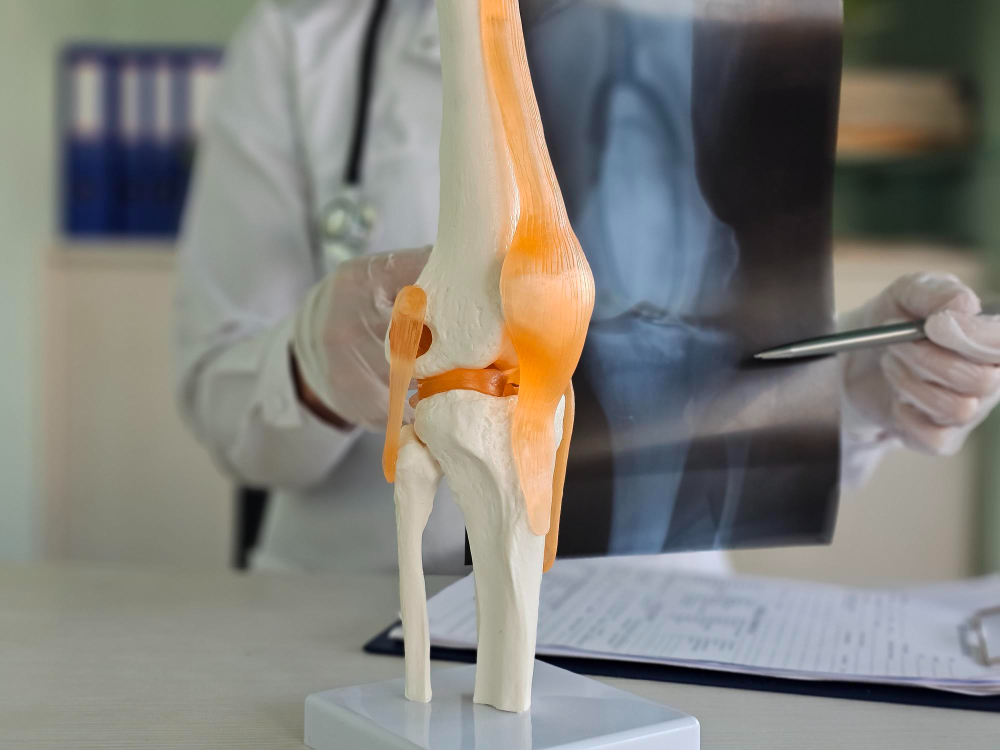
Orthopedic
정형외과

Neurology
신경과

pain medicine
통증의학과
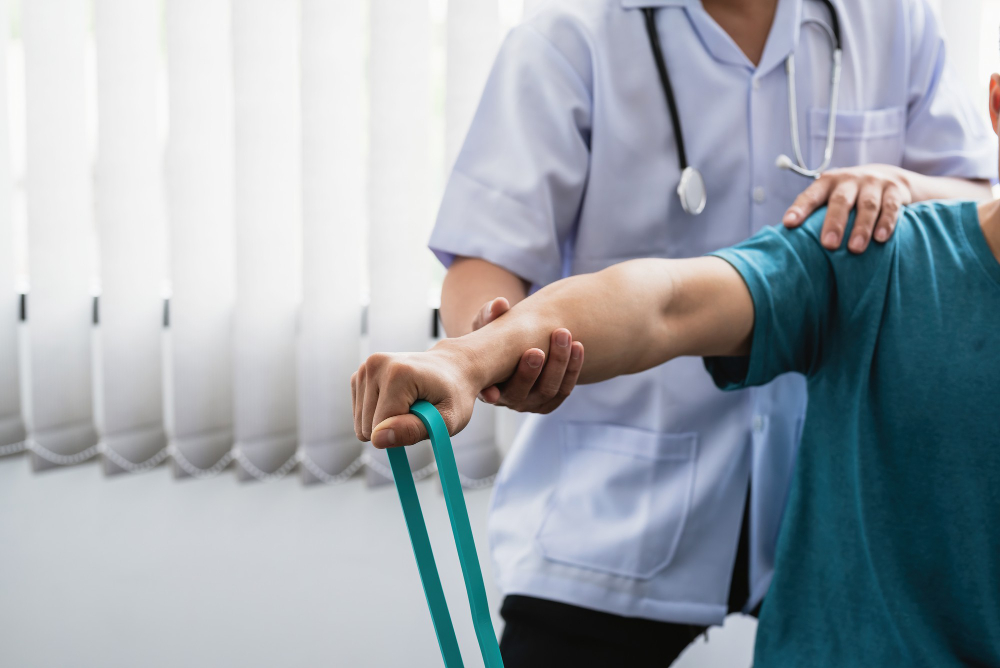
Rehabilitation
재활의학과
정확한 진료와 치료를 통해 만족스러운 치료 경험을 제공합니다.
정확한 진료와 치료를 통해
만족스러운 치료 경험을 제공합니다.
비수술 클리닉
최신장비를 통해 통증의 근본적인 원인을 파악하고, 개인에게 맞는 맞춤 치료를 진행합니다.
최신장비를 통해 통증의 근본적인 원인을 파악하고,
개인에게 맞는 맞춤 치료를 진행합니다.
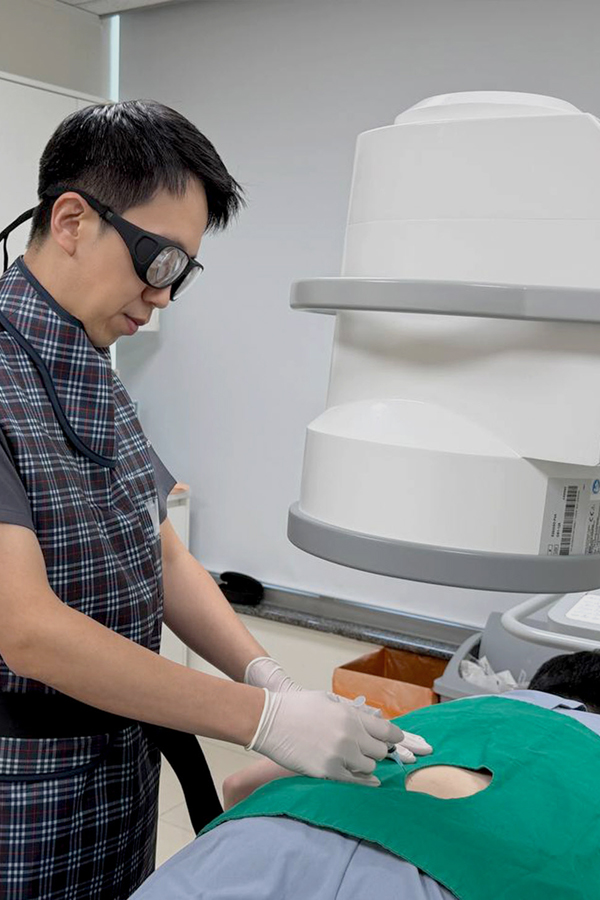
정밀신경주사
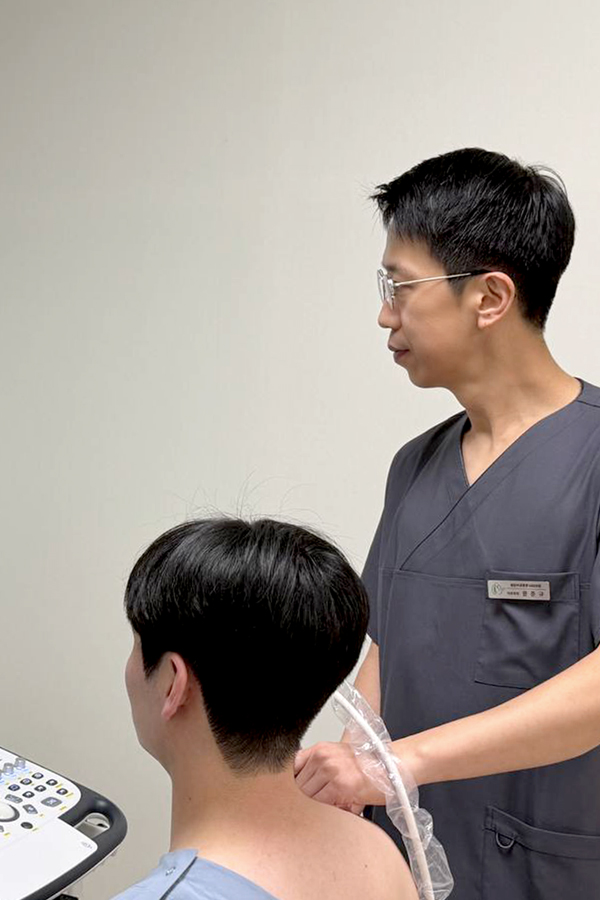
초음파주사
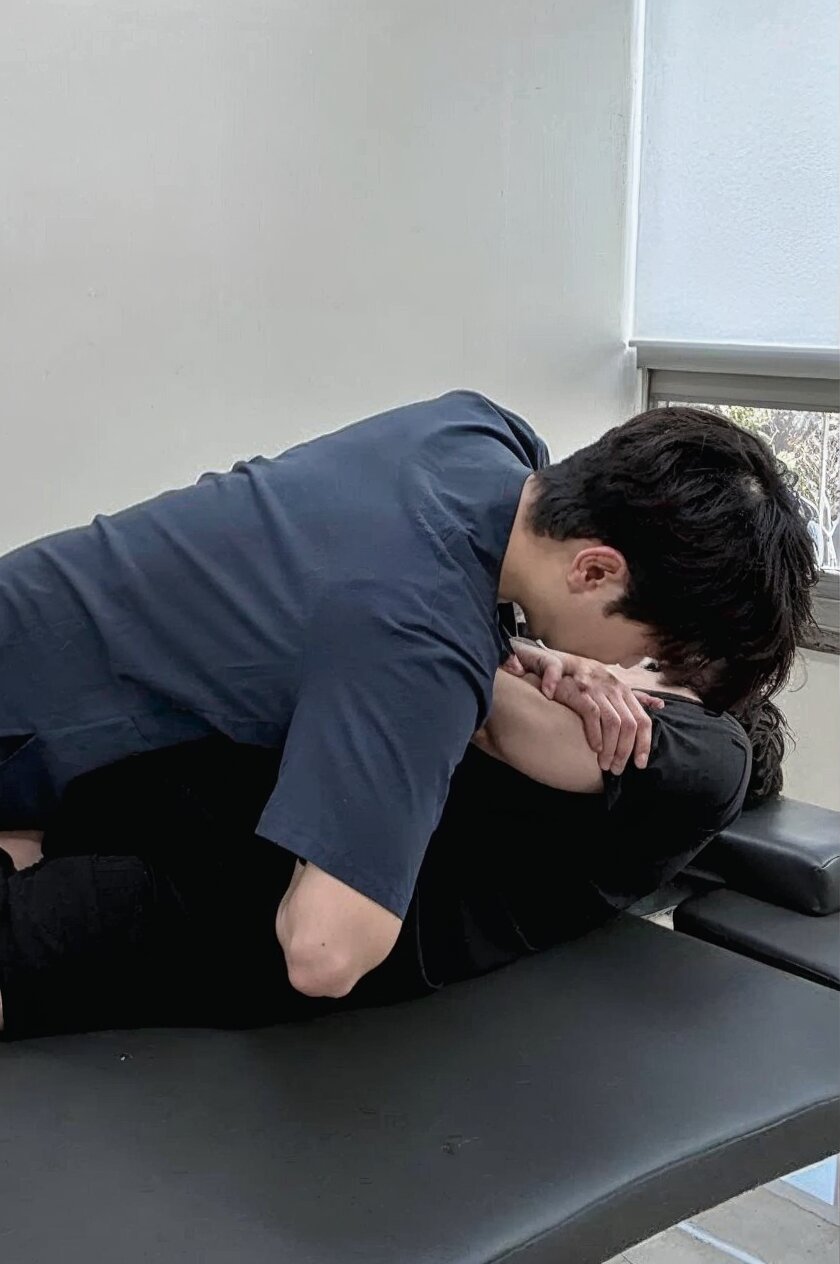
도수교정치료
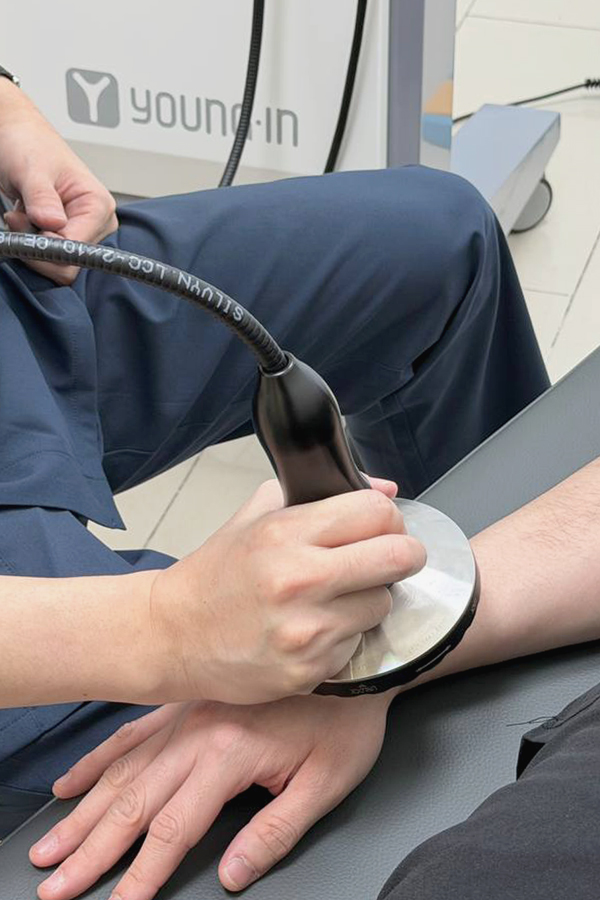
체외충격파
비수술 클리닉
최신장비를 통해 통증의 근본적인 원인을 파악하고, 개인에게 맞는 맞춤 치료를 진행합니다.
최신장비를 통해 통증의 근본적인 원인을 파악하고,
개인에게 맞는 맞춤 치료를 진행합니다.
정밀신경주사
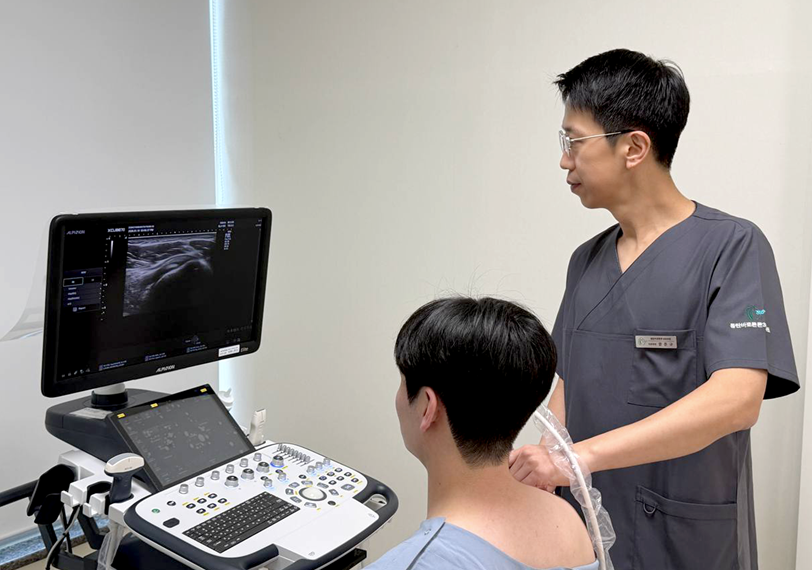
초음파주사
도수교정치료
체외충격파
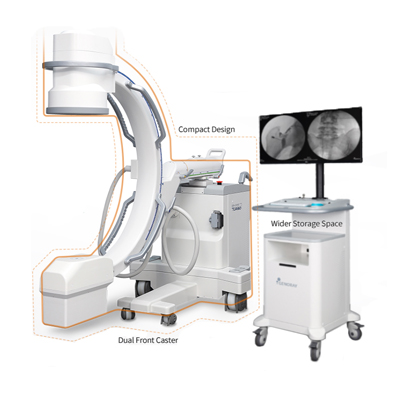
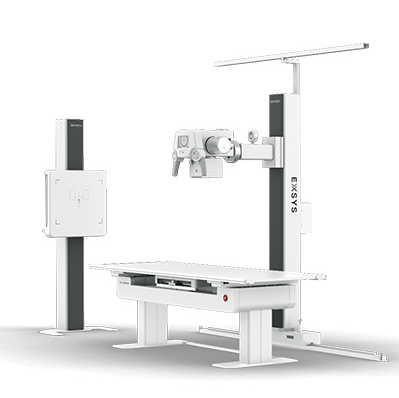
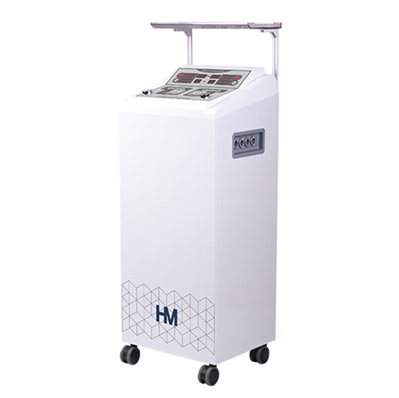
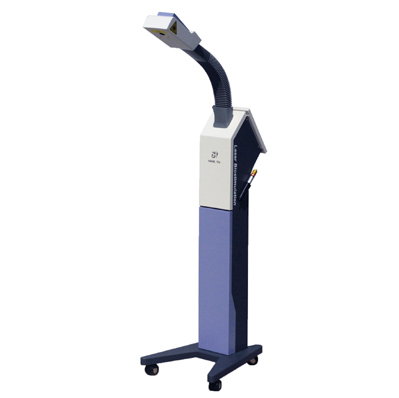
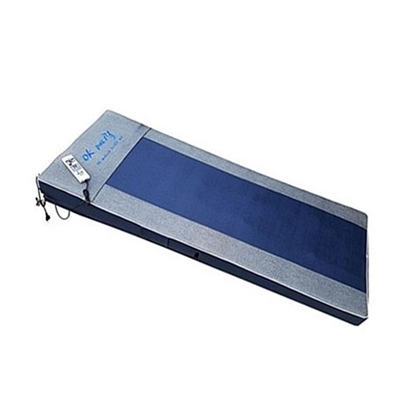
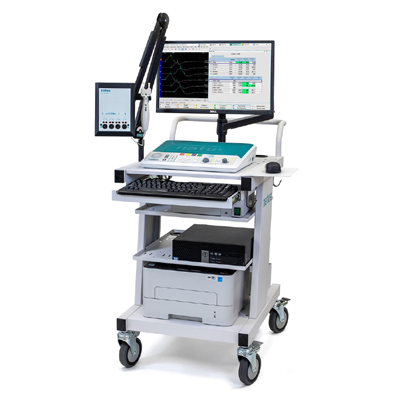
대학병원급 장비
보다 정밀하게 통증의 원인을 분석하고 개인의 통증에 최적화된 치료를 시행하기 위해
대학병원과 같은 진단 장비를 갖추었습니다.
보다 정밀하게 통증의 원인을 분석하고
개인의 통증에 최적화된 치료를 시행하기 위해
대학병원과 같은 진단 장비를 갖추었습니다.

맞춤수액클리닉
동탄바로튼튼365의원의 맞춤수액클리닉은 진료 후
환자의 상태에 맞춘 맞춤형 수액으로 빠른회복을 유도합니다.
같은 수액이라도 개개인의 건강상태에 따라 효과가 다릅니다.
bonus immediato senza deposito e senza documento
best uitbetalende online casino nederland
Ontdek een breed scala aan spellen, snelle uitbetalingen en betrouwbare service bij het bitcoin casino dat mobiel spelen en bonussen optimaal ondersteunt.
casino online non aams
casino pl
lemon casino
payid pokies strong points
bonus 100 euro senza deposito
bonus senza deposito casino
migliori casino non aams
bonus senza deposito casino
50 euro bonus senza deposito
bonus 20 euro senza deposito
Casino Zonder Cruks
online casino echt geld
Casino PL
online casino for australian players
casino online stranieri


